Geological research is a discipline that rewards patience, keen observation, and a methodical approach to the natural world. For many students and early-career enthusiasts, the transition from classroom theory to the raw, unpredictable reality of field research is often jarring. While the fundamentals of mineralogy and stratigraphy might seem clear in a textbook, the earth does not always present its history in neat, chronological layers. The complexity of tectonic movements, erosion, and chemical weathering creates a puzzle that requires more than just academic knowledge. Beginners often fall into traps that stem from over-eagerness or an underestimation of the environment. Recognizing these common pitfalls is the first step toward conducting research that is both scientifically sound and physically safe.
The Pitfall of Confirmation Bias
One of the most frequent errors in geological fieldwork is the tendency to see what one expects to see. When a researcher heads into a specific basin with a preconceived notion that the area is dominated by sedimentary limestone, they might subconsciously ignore evidence of volcanic intrusions or metamorphic shifts. This confirmation bias can lead to a fundamental misinterpretation of the local geological history. Instead of letting the rocks tell the story, the beginner tries to force the rocks into a pre-written narrative. Professional geology requires a “blank slate” mentality where every anomaly is treated as a vital clue rather than an inconvenient outlier that doesn’t fit the map.
Inadequate Field Documentation
A common mistake that haunts researchers long after they have left the field is poor record-keeping. In the heat of the moment, it is easy to assume that you will remember the exact orientation of a strike and dip or the specific mineral inclusions in a hand sample. However, once you are back in the lab weeks later, those memories fade. Beginners often fail to realize that a field notebook is a legal and scientific document. Sketches that lack a scale, photographs taken without a reference object (like a rock hammer or a coin), and vague descriptions like “reddish rock” instead of specific mineralogical terms make the data nearly useless for peer review or further analysis.
Neglecting the Macro and Micro Perspectives
Geology requires a constant shifting of focus. Beginners often get stuck at one extreme. Some become so obsessed with the minute details of a single crystal that they fail to look up and notice the large-scale folding of the mountain range behind them. Others focus entirely on the regional landscape and miss the small fossil traces or subtle alterations that indicate the chemical history of the site. Successful research happens at the intersection of these scales. You must be able to understand how the microscopic arrangement of quartz grains relates to the massive tectonic forces that pushed that sandstone to an elevation of three thousand meters.
Mismanagement of Samples and Equipment
The physical handling of geological evidence is a logistical challenge that many newcomers underestimate. Collecting samples without proper labeling or failing to record the precise GPS coordinates of the find site is a recipe for disaster. Furthermore, the choice of tools can make or break a project. Using a standard carpenter’s hammer on hard igneous rock is not only ineffective but dangerous, as steel shards can fly off and cause injury. Proper geological hammers, hand lenses with correct magnification, and durable storage bags are non-negotiable requirements for professional-grade research.
Common Errors in Sample Management
- Vague Labeling: Using ink that runs when wet or failing to use a unique numbering system.
- Contamination: Placing samples from different strata in the same bag without cleaning tools in between.
- Lack of Context: Taking a beautiful crystal out of the ground without documenting the surrounding matrix or host rock.
- Over-Sampling: Taking massive chunks of rock that are impossible to transport safely, rather than selecting representative, high-quality specimens.
Underestimating Environmental Hazards
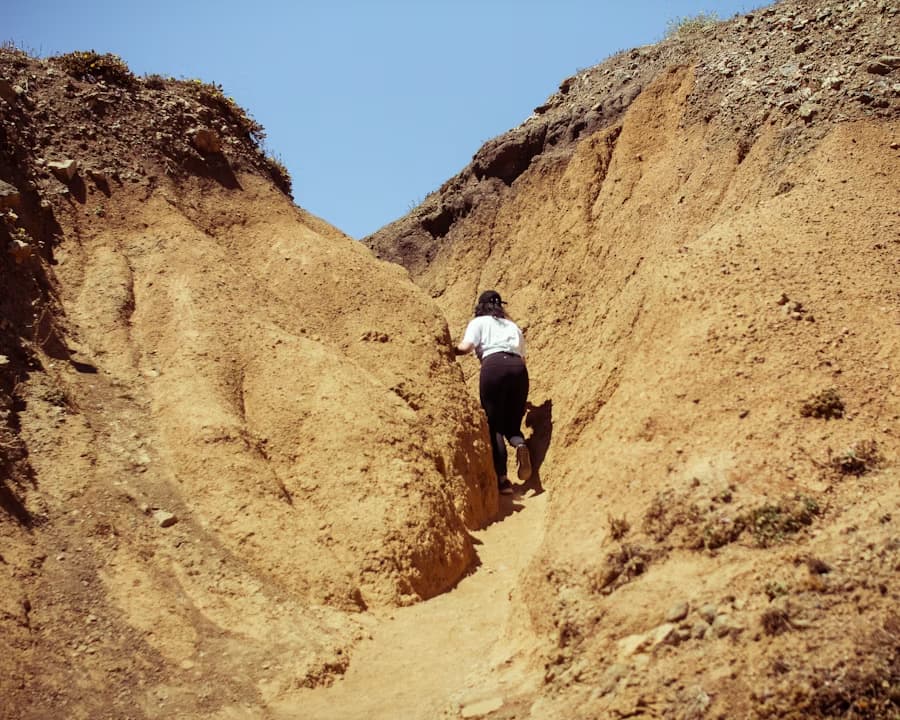
Geological research is fundamentally an outdoor pursuit, and the earth is not always a hospitable workplace. Beginners often focus so much on the “science” that they forget the “survival.” This includes failing to check weather patterns in mountainous regions where flash floods or sudden temperature drops are common. It also involves poor navigation skills; relying solely on a smartphone GPS in deep canyons with no signal is a mistake that can lead to getting lost. Respecting the terrain is just as important as identifying the minerals within it. A researcher who is dehydrated or injured cannot produce high-quality data.
Comparison of Field Research Approaches
| Feature | The Amateur Approach | The Professional Approach |
| Data Collection | Selective and subjective | Systematic and objective |
| Tool Usage | Improvisation with basic tools | Purpose-built geological equipment |
| Safety | Minimal planning for weather | Detailed risk assessment and gear |
| Documentation | Scattered notes and few photos | Comprehensive logs with scale and GPS |
| Sample Storage | Unlabeled bags or pockets | Secure, labeled, and geotagged containers |
The “One Visit” Fallacy
Many beginners believe that a single afternoon at a site is sufficient to understand its complexity. In reality, geological research often requires multiple visits under different conditions. Shadows at different times of day can reveal subtle topographic features, and the area may look entirely different after a heavy rain has washed away surface dust. Rushing the process leads to superficial conclusions. Depth in research comes from returning to the same outcrop, re-examining the evidence with fresh eyes, and being willing to admit that your initial hypothesis might have been wrong.
Failure to Synthesize Existing Literature
No geological site exists in a vacuum. A major mistake made by new researchers is trying to “reinvent the wheel” by ignoring previous surveys and papers written about a region. While it is important to have an original perspective, failing to consult historical geological maps or local university archives can lead you to spend months “discovering” something that was already mapped in the 1970s. Effective research builds upon the work of those who came before, using modern technology to refine or challenge old theories rather than ignoring them entirely.
By avoiding these foundational errors, the budding geologist moves from being a collector of rocks to a true interpreter of the Earth’s history. The goal is to develop a disciplined eye that sees beyond the surface, capturing the data needed to reconstruct worlds that vanished millions of years ago.